
Celebrating Resilience and Culture During Black History Month
- Feb 9
- 3 min read
Black History Month offers a vital opportunity to recognize the achievements, struggles, and rich culture of African American communities. It is a time to honor the resilience that has shaped history and continues to inspire future generations. This month invites us to reflect on stories often overlooked and to celebrate the contributions that have profoundly influenced society.
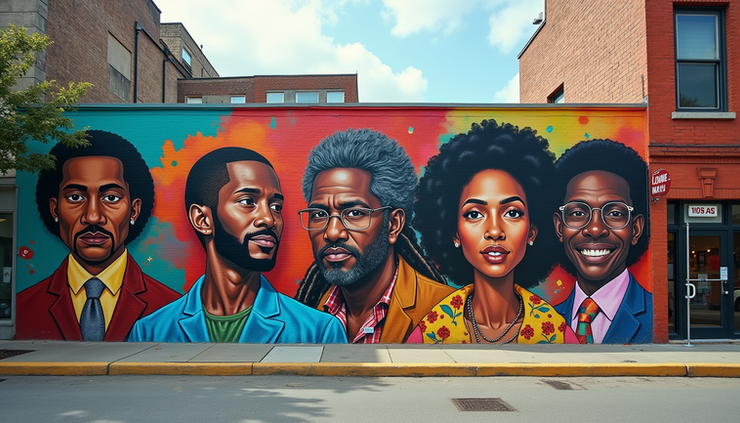
The Origins and Importance of Black History Month
Black History Month began as a week-long celebration in 1926, initiated by historian Carter G. Woodson. He aimed to highlight the achievements of Black Americans and correct the lack of representation in mainstream history. Over time, this observance expanded to a full month in 1976, recognized officially in the United States and later adopted by other countries.
The month serves several important purposes:
Education: It provides a platform to learn about Black history beyond the usual narratives.
Recognition: It honors the contributions of Black individuals in fields like science, art, politics, and civil rights.
Reflection: It encourages society to confront ongoing racial inequalities and work toward justice.
Celebration: It highlights cultural expressions through music, literature, food, and traditions.
Understanding these goals helps us appreciate why Black History Month remains relevant and necessary.
Stories of Resilience That Shaped History
The history of Black communities is marked by resilience in the face of adversity. From slavery and segregation to systemic discrimination, Black individuals have continuously fought for dignity and equality. Here are a few examples that illustrate this strength:
Harriet Tubman: Known as the "Moses of her people," she escaped slavery and led hundreds to freedom via the Underground Railroad.
The Harlem Renaissance: A cultural movement in the 1920s that celebrated Black art, music, and literature, reshaping American culture.
Civil Rights Movement: Leaders like Martin Luther King Jr., Rosa Parks, and Malcolm X challenged segregation and fought for voting rights.
Modern Activism: Movements such as Black Lives Matter continue the legacy of demanding justice and equality.
These stories remind us that resilience is not just about survival but about thriving and shaping society.
Celebrating Black Culture Through Art and Expression
Black culture is rich and diverse, influencing many aspects of global culture. During Black History Month, communities celebrate through various forms of artistic expression:
Music: Jazz, blues, hip-hop, and gospel have roots in Black communities and have shaped popular music worldwide.
Literature: Writers like Maya Angelou, James Baldwin, and Toni Morrison have given voice to Black experiences.
Visual Arts: Artists such as Jacob Lawrence and Kara Walker use their work to explore history and identity.
Cuisine: Soul food and other culinary traditions reflect history, creativity, and community.
Events like poetry readings, concerts, art exhibitions, and food festivals provide immersive ways to experience and honor Black culture.
How Communities Can Engage and Support
Black History Month is not only for reflection but also for action. Here are practical ways individuals and communities can engage meaningfully:
Attend Local Events: Museums, cultural centers, and libraries often host talks, workshops, and performances.
Support Black-Owned Businesses: Shopping from Black entrepreneurs helps build economic strength.
Read and Share Books by Black Authors: Expanding your reading list can deepen understanding.
Educate Youth: Encourage schools to include comprehensive Black history in their curriculum.
Volunteer or Donate: Support organizations working on racial justice and community development.
These actions contribute to a broader appreciation and support for Black communities beyond the month.
The Role of Education in Sustaining Awareness
Education plays a crucial role in sustaining the awareness and respect Black History Month promotes. Schools and universities can:
Integrate Black history into year-round curricula, not just February.
Highlight contributions from diverse fields such as science, technology, and sports.
Create safe spaces for discussions about race, identity, and history.
Invite guest speakers and historians to share firsthand knowledge.
By embedding these practices, education helps build a more inclusive society.
Looking Ahead: Continuing the Legacy
Black History Month is a reminder that history is alive and ongoing. The resilience and culture celebrated during this month inspire new generations to build on this legacy. It encourages everyone to:
Recognize the progress made and the challenges that remain.
Celebrate diversity as a strength in communities and workplaces.
Commit to actions that promote equality and justice every day.
By embracing these values, we honor the past and contribute to a more just future.